Is STP Compulsory in Pune? Understanding the Rules and Benefits
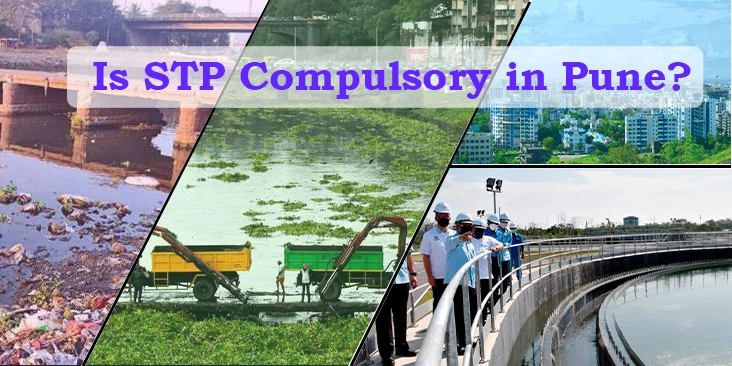
With Pune's rapid urban development and increasing population, effective sewage management has become essential for protecting public health and the environment. Sewage Treatment Plants (STPs) help treat domestic wastewater before it is discharged or reused, reducing pollution and conserving water. In many cases, local development regulations require certain residential and commercial developments to install and operate STPs as part of environmental compliance. Recent enforcement efforts by civic authorities have further emphasized the importance of functional STPs in large developments.
An STP
treats wastewater through multiple stages, removing suspended solids, organic
pollutants, and harmful microorganisms. The treated water can be reused for
applications such as toilet flushing, gardening, landscaping, and cooling
systems, helping reduce freshwater consumption. Besides supporting regulatory
compliance, an efficiently operated STP lowers environmental impact, promotes
sustainable water management, and improves the overall quality of urban
infrastructure.
Property
developers, housing societies, hotels, hospitals, educational institutions, and
commercial complexes should understand the applicable sewage treatment
requirements before planning new projects. Choosing the right STP technology
and ensuring regular operation and maintenance can help avoid compliance issues
while delivering long-term environmental and economic benefits.
If you want
to learn more about STP regulations in Pune, where they apply, and how sewage
treatment plants support sustainable urban development, read the complete
article on Larco India.
*Read the
complete article on Larco India:*


Comments
Post a Comment